
Seeing an old dog develop tremors or shaking can be unsettling, especially if it happens suddenly or becomes frequent.
Mild trembling can sometimes be harmless, but persistent or worsening tremors often signal an underlying issue.
Table of Contents
Old Dog Tremors
Tremors in an old dog are usually caused by neurological changes, pain, weakness, or underlying medical conditions. Aging and health-related changes affect muscle control and nerve signaling, leading to involuntary shaking or trembling.
When dogs age, their nervous system and muscles may not function as smoothly, leading to involuntary shaking, while issues like arthritis, metabolic imbalances, or chronic disease can further contribute to tremors.
In some cases, tremors may also be triggered by stress, cold, or fatigue.
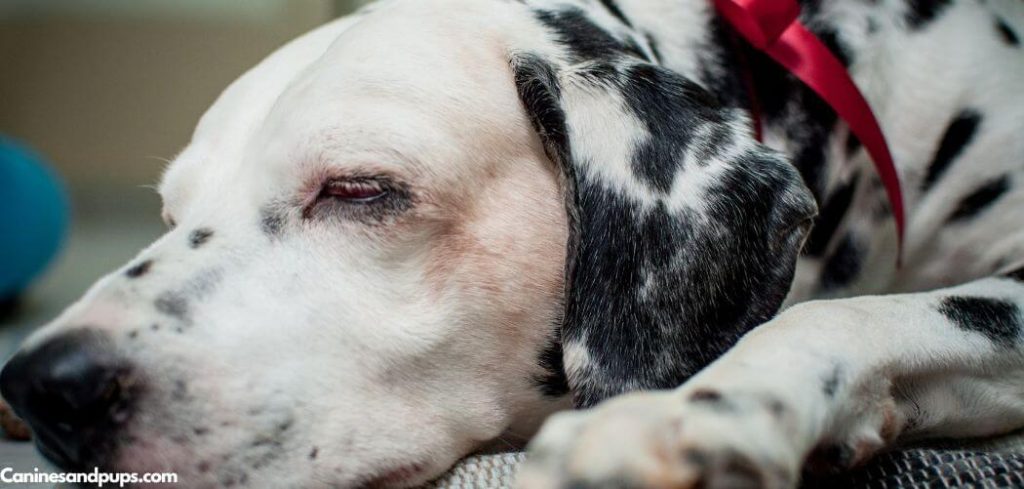
Old Dog Tremors: Symptoms
If your old dog has tremors, you may notice:
Shaking or trembling in the legs, head, or whole body
Intermittent or constant tremors
Weakness or instability
Difficulty standing or walking
Muscle stiffness or twitching
Increased panting or restlessness
Changes in coordination
Sensitivity to touch or movement
Episodes triggered by excitement or stress
Old Dog Tremors: Common Causes
Age-Related Muscle Weakness
As dogs grow older, they naturally lose muscle mass and strength, a process that can affect stability and control. This weakening can cause mild tremors, especially in the legs when standing or moving.
Because muscles are less able to support the body efficiently, small shakes can occur as the dog tries to maintain balance. These tremors are often more noticeable after activity or when the dog is tired.
While mild tremors can be normal, they should not interfere significantly with mobility or comfort.
Pain
Chronic pain is a major cause of tremors in older dogs. Conditions like arthritis can make movement uncomfortable, leading to shaking as the muscles tense in response to pain.
Dogs may tremble when getting up, walking, or being touched in sensitive areas. Over time, the discomfort can lead to reduced activity and further muscle weakness.
Pain-related tremors often improve when the underlying discomfort is treated.
Neurological Conditions
Problems affecting the brain, spinal cord, or nerves can cause tremors. These conditions interfere with the signals that control muscle movement.
Neurological tremors may appear as head bobbing, leg shaking, or full-body tremors. They can be intermittent or constant and may worsen over time.
In some cases, tremors are accompanied by coordination issues, confusion, or behavioral changes.
Related: Old Dog Neurological Problems (Signs to watch out for)
Metabolic Disorders
Imbalances in the body, such as low blood sugar, electrolyte disturbances, or organ dysfunction, can trigger tremors.
Older dogs are more prone to these issues due to changes in metabolism and organ function. When the body is out of balance, it can affect muscle and nerve activity, leading to shaking.
These tremors may come on suddenly and may be accompanied by weakness or lethargy.
Anxiety or Stress
Emotional factors can also cause trembling in older dogs. Anxiety, fear, or overstimulation may lead to visible shaking.
Senior dogs may become more sensitive to changes in their environment or routine, making them more prone to stress-related tremors.
These tremors often occur in specific situations and may resolve once the dog calms down.
Cold Sensitivity
Older dogs may have difficulty regulating their body temperature, making them more sensitive to cold.
Shivering is a natural response to cold and can sometimes be mistaken for tremors. This is usually temporary and resolves once the dog is warmed up.
However, frequent or unexplained trembling should not be attributed to temperature alone without further evaluation.
Toxin Exposure or Medication Side Effects
Certain toxins or medications can affect the nervous system and cause tremors.
Older dogs may be more sensitive to substances due to reduced organ function. Even medications that were previously well-tolerated can sometimes cause new side effects.
If tremors begin after starting a new medication or exposure to something unusual, this should be investigated.
Read more: Old Dog Head Tremors (What causes them?)
Old Dog Head Tremors
Head tremors in an old dog can have several causes, including neurological disease, pain, metabolic abnormalities, medication effects, or seizure activity.
Some tremors are benign and occur without loss of awareness, while others can indicate an underlying neurological problem.
Tremors are recognized as a possible sign of nervous-system disease in dogs.
Because a new tremor in a senior dog is not something to automatically attribute to aging, veterinary assessment is needed, particularly if the tremors are becoming more frequent or are accompanied by confusion, weakness, difficulty walking, abnormal eye movements, or seizures.
Old Dog Tremors and Vomiting
Tremors and vomiting together can occur with nausea, pain, metabolic problems, toxin exposure, or neurological disease.
Certain toxic exposures can specifically cause both vomiting and tremors, while seizures can also be accompanied by vomiting or other autonomic signs.
An old dog with sudden tremors and repeated vomiting should be assessed immediately, especially if it is weak, confused, unable to walk normally, has abdominal pain, or may have eaten something toxic.
Collapse, seizures, difficulty breathing, or severe weakness warrants emergency veterinary care.
Old Dog Shaking While Lying Down
An old dog may shake while lying down because of pain, weakness, anxiety, feeling cold, or an underlying neurological or metabolic problem.
Arthritis and other painful conditions can make an older dog tremble even when it is resting.
New or persistent shaking should therefore be investigated rather than assumed to be normal aging.
Pay attention to whether the shaking stops when the dog gets up, changes position, or becomes fully relaxed.
Shaking accompanied by panting, whining, difficulty getting comfortable, loss of appetite, weakness, or changes in mobility can indicate discomfort or illness.
Old Dog Tremors While Sleeping
Small movements or occasional twitching during sleep can occur as part of normal sleep activity.
However, repeated or pronounced tremors that continue, wake the dog, or are accompanied by abnormal behavior when awake may indicate a neurological problem or seizure activity.
Sleep-related neurological disorders and focal seizures can both produce unusual movements or interrupted sleep.
If the episodes are new in an older dog, recording a video can help the veterinarian determine whether the movements are normal sleep twitching, tremors, or seizure-related activity.
Seek prompt care if episodes become prolonged or are followed by confusion, weakness, difficulty walking, or loss of consciousness.
Old Dog Tremors at Night
Tremors at night can be associated with pain, anxiety, cold temperatures, cognitive changes, or neurological disease.
Senior dogs with cognitive dysfunction may also develop altered sleep patterns, nighttime confusion, pacing, or other unusual behaviors.
New nighttime tremors should be evaluated if they occur repeatedly or are accompanied by panting, restlessness, confusion, vocalization, vomiting, appetite changes, or difficulty walking.
Sudden severe tremors with seizures, collapse, or difficulty breathing require emergency veterinary care.
Senior Dog Tremors While Awake
Tremors while a senior dog is awake are more concerning when they are new, persistent, or progressively worsening.
Possible causes include pain, neurological disease, metabolic abnormalities, toxins, medication effects, weakness, and seizure-related activity.
A veterinarian may need to perform a physical and neurological examination and blood tests to look for underlying causes.
Tremors accompanied by confusion, inability to stand, repeated vomiting, seizures, severe weakness, or collapse require prompt veterinary attention.
Senior Dog Tremors After Seizure
Trembling or shaking after a seizure can occur during the postictal recovery period, when a dog may also be confused, restless, disoriented, temporarily blind, or unusually tired.
The recovery period can vary considerably between dogs.
However, persistent or worsening tremors after a seizure should be reported to a veterinarian, particularly in an older dog.
A seizure lasting more than five minutes, repeated seizures without adequate recovery, severe breathing problems, or loss of consciousness is an emergency.
Do Dogs Shake at the End of Life?
Some dogs may shake or develop tremors near the end of life, but shaking alone is not a reliable sign that a dog is dying.
Tremors can result from weakness, pain, anxiety, low body temperature, neurological disease, metabolic problems, or other treatable conditions.
End-of-life decline is usually characterized by a broader pattern of changes, such as profound weakness, inability to stand, persistent loss of appetite or drinking, reduced responsiveness, worsening breathing difficulties, confusion, and a substantial decline in overall quality of life.
A veterinarian can help determine whether these changes reflect an irreversible decline or a treatable illness.
Read more: Old dog behavior before death (Common signs)
When to Call or Visit Your Vet
If your old dog’s tremors are sudden, severe, or worsening, seek veterinary care immediately.
Tremors accompanied by weakness, collapse, or difficulty walking should be evaluated immediately.
If your dog shows signs of pain, confusion, or behavioral changes, this may indicate a neurological or medical issue.
Tremors that do not resolve or occur frequently should not be ignored.
If there is any suspicion of toxin exposure or medication reaction, contact your vet right away.
Read more: Old Dog Weak Back Legs (When mobility becomes an issue)
Old Dog Tremors: Treatment
Treatment for tremors in an old dog depends on the underlying cause.
Your veterinarian may perform blood tests, neurological exams, or imaging to identify the issue.
Pain-related tremors are often managed with medications and joint support. Metabolic disorders require treatment to restore balance, such as adjusting diet or addressing organ function.
Neurological conditions may involve specialized medications or long-term management. If toxins or medications are involved, immediate intervention may be necessary.
Key Takeaway
Tremors in an old dog can range from mild and harmless to signs of more serious health issues.
By paying attention to patterns, supporting your dog’s comfort, and seeking veterinary care when needed, you can help manage the condition effectively.
If something feels unusual or concerning, it’s always best to have your dog checked—early action can make a big difference in their quality of life.


